
Sightseeing
Sightseeing
The ancient capital of Kyoto is home to both famous shrines and temples and traditional streetscapes.
Visiting shrines and temples, art, shopping,
Everyone enjoys it in their own way.
Kyoto is full of fascinating spots, so choose a stay that suits you.
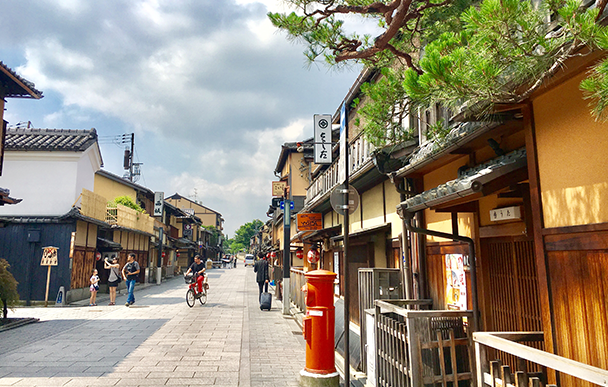
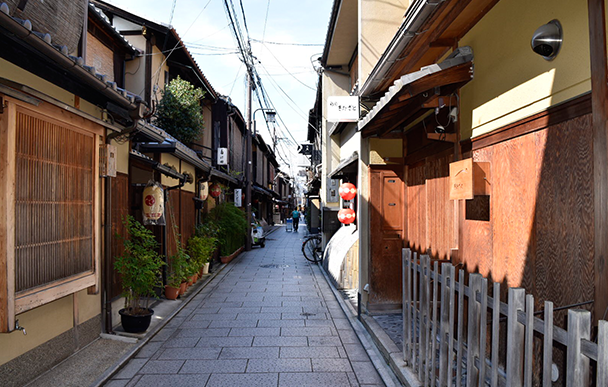
Developed in the early Meiji period, this alley stretches for about 1 kilometer, stretching from Sanjo Street in the north to Kenninji Temple in the south. The surrounding area is lined with a variety of facilities and shops, from Kyoto-style temples and shrines, teahouses, to bars and izakayas.
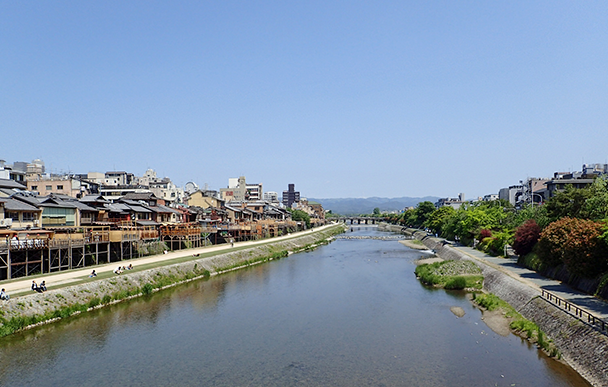
A river that runs from north to south through Kyoto City, stretching for about 33km. It is popular as a place to relax and as a date spot. You can experience the atmosphere of Kyoto in every season.
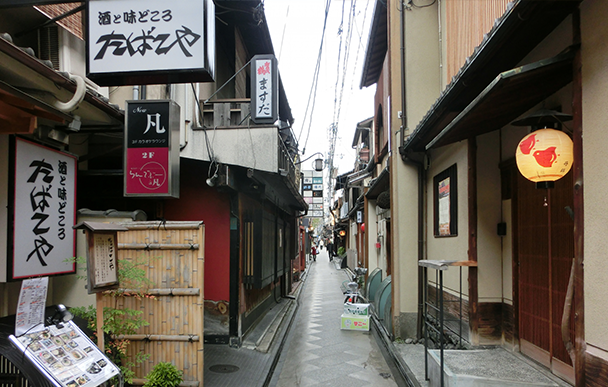
This is one of the five geisha districts of Kyoto, and is a 600m long flower street that stretches along the Kamo River from Shijo Street to Sanjo Street. There are also regular restaurants lined up.
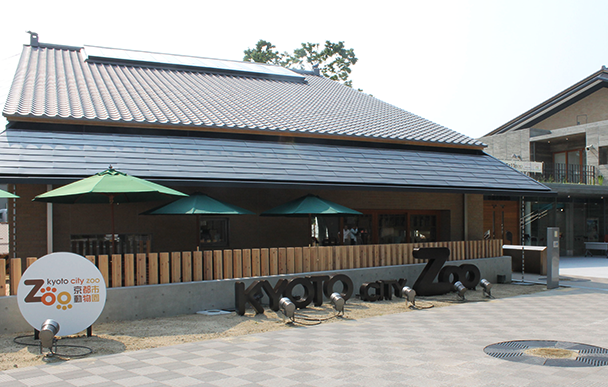
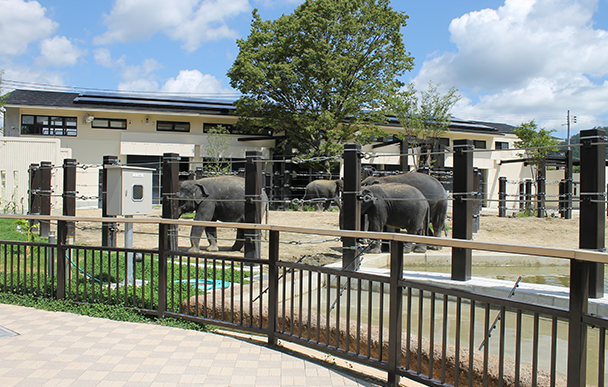
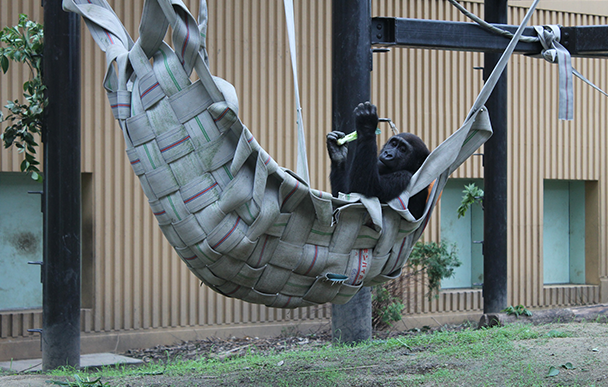
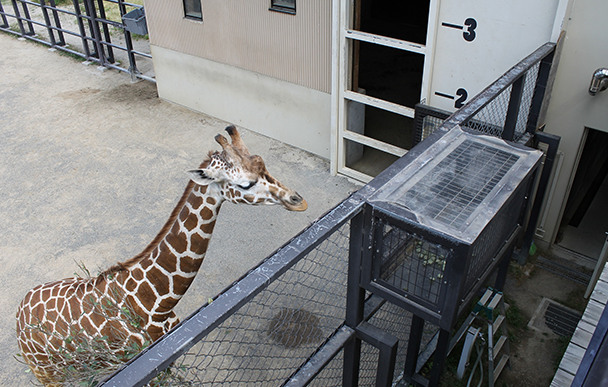
Opened in April 1903 (Meiji 36) with donations from citizens and city funds, it is the second oldest zoo in Japan. It is home to approximately 600 animals from 160 different species, and also has an animal library.
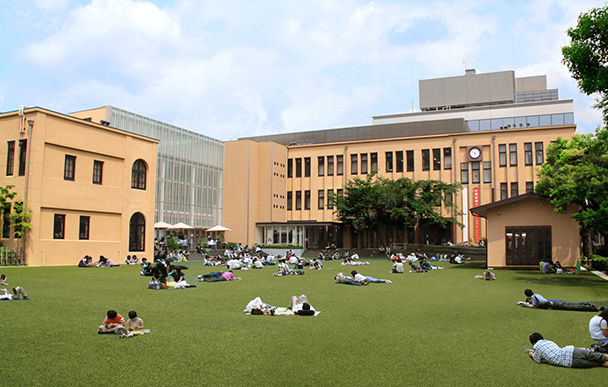

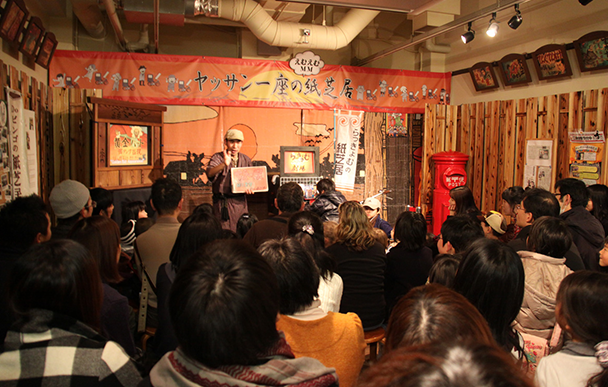
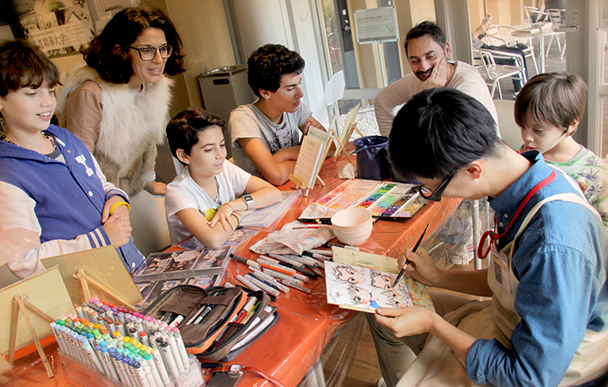

The museum's collection currently consists of approximately 300,000 items (as of 2016), including contemporary Japanese manga, historical materials related to manga from the Meiji period onwards, famous manga from around the world, magazines, and animation-related materials.

Nintendo Museum, scheduled to open on October 2, 2024, is a facility where visitors can learn about and experience the history of entertainment through the many products released by Nintendo, a company that is loved by people of all ages and nationalities.
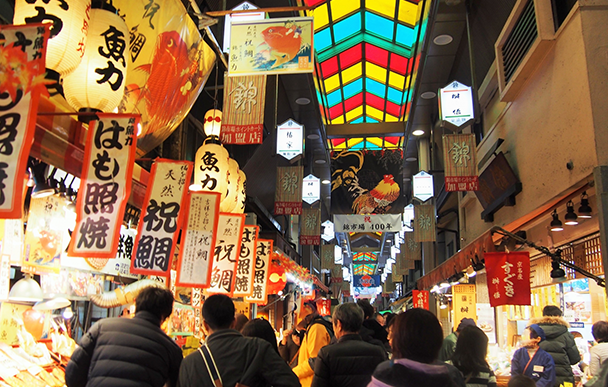
This 390-meter-long shopping street is known as "Kyoto's Kitchen." It is a lively shopping street lined with Kyoto's signature flavors, including Kyoto pickles, Kyoto vegetables, yuba (tofu skin), namafu (wheat gluten), and obanzai (traditional side dishes).
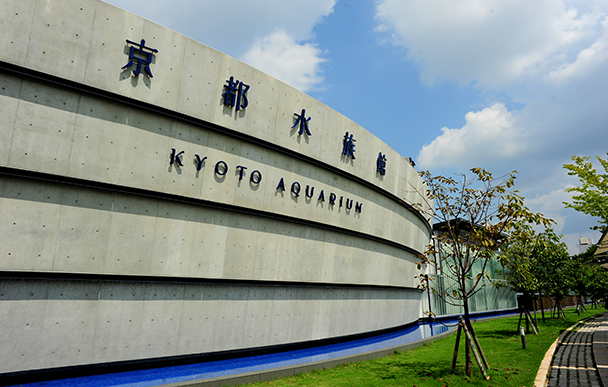
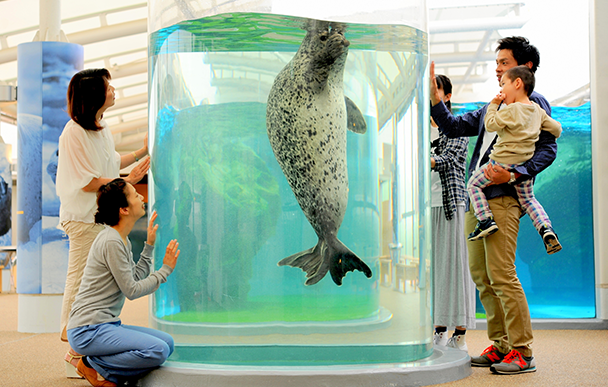
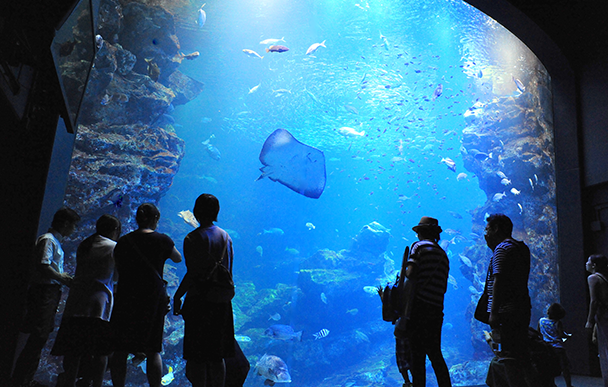
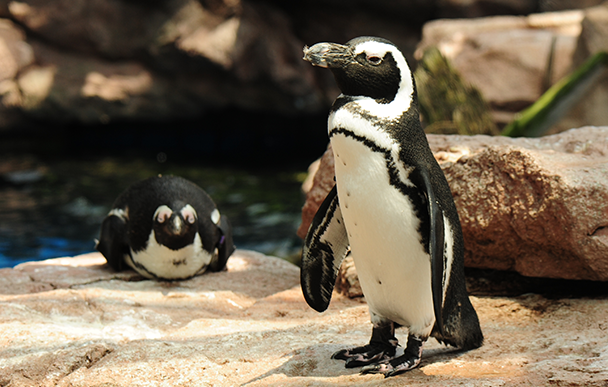
concept of "life connected with water," this aquarium also offers waterside experiences, making it a popular spot that can be enjoyed by both children and adults.
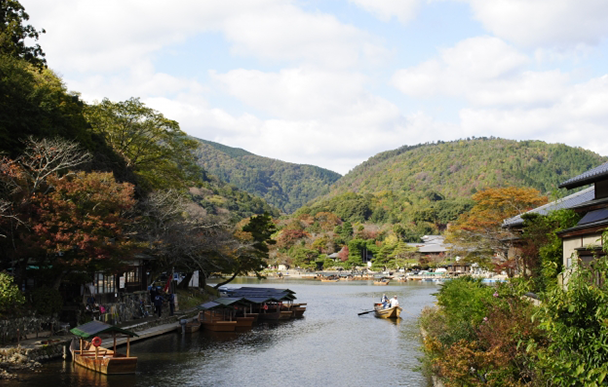
There are many things to see, including the Togetsukyo Bridge over the Katsura River, the impressive bamboo forest, Nonomiya Shrine, and Japan's oldest forest and spring garden.
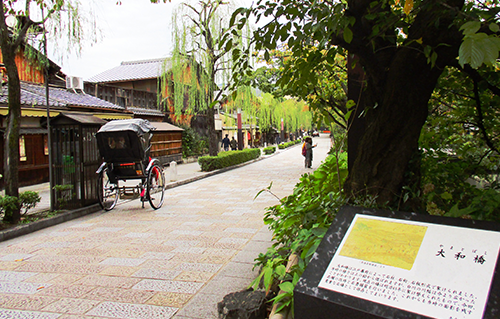
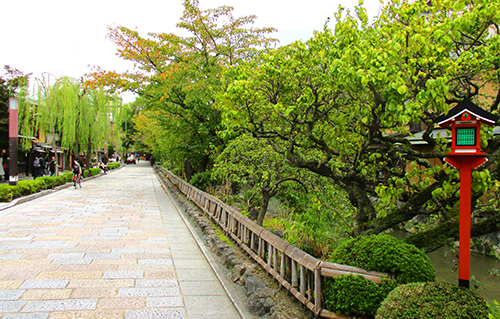
This is a stone bridge on Yamato-oji-dori (Nawate-dori) that spans the lowest reaches of the Shirakawa River. It is lined with traditional merchant houses and teahouses, giving it a Kyoto-like atmosphere.
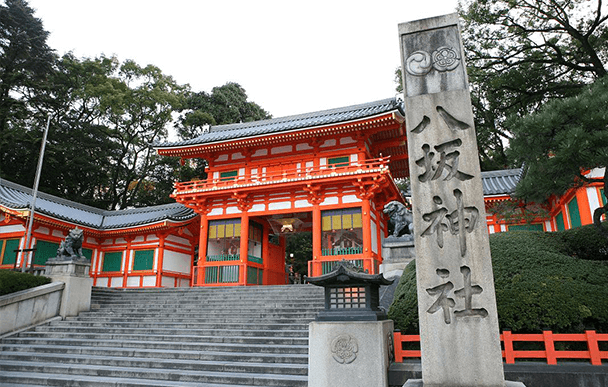
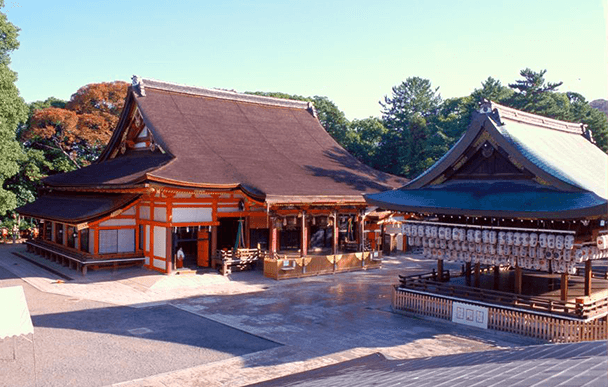
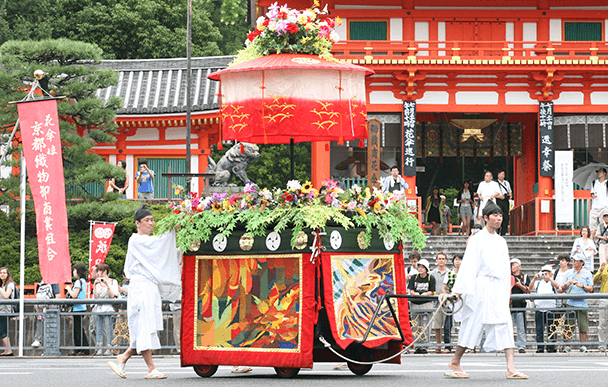
It is the head shrine of the approximately 3,000 Yasaka Shrines across the country. The Gion Festival, one of the three major festivals in Japan, is held at Yasaka Shrine.
The main hall and the West Tower Gate are designated as Important Cultural Properties of Japan.
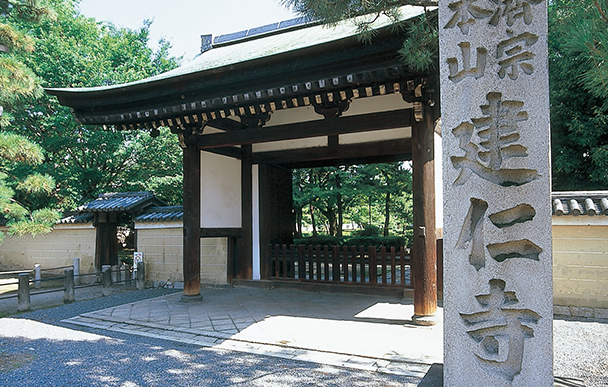
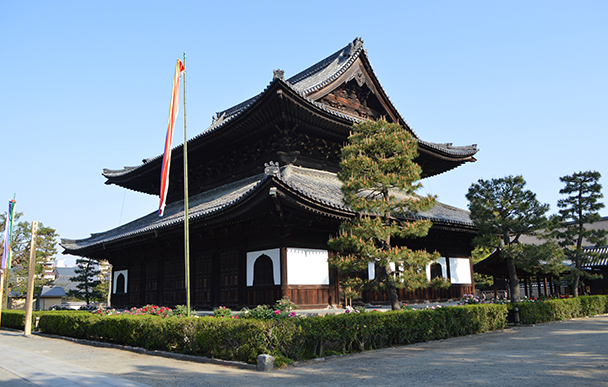
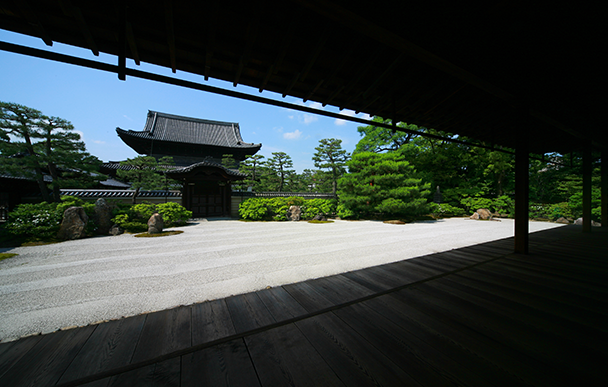

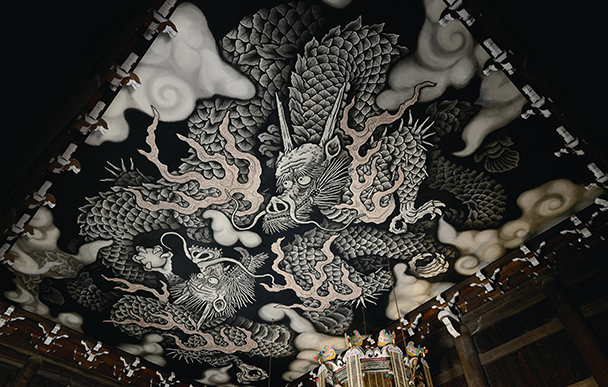
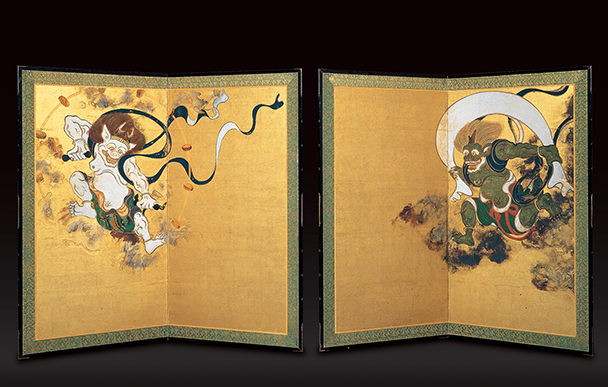
This is said to be the oldest Zen temple in Kyoto. It was founded by Eisai Zenji, who is also known as the father of tea. There is plenty to see, including the gorgeous Wind God and Thunder God paintings (replicas) and the impressive double dragon painting in the lecture hall. The highlight of the temple is the beautiful "Chion Garden," a green world where green maples and moss blend together, which can be viewed from all four sides.
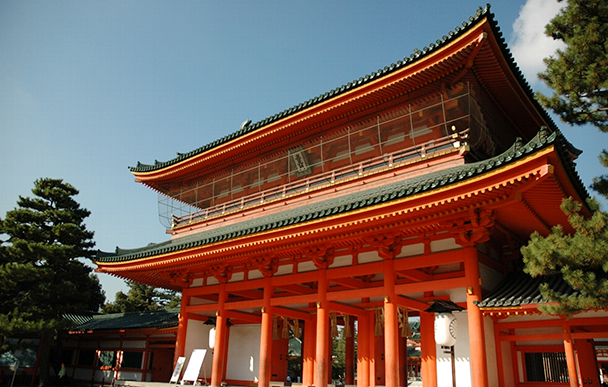
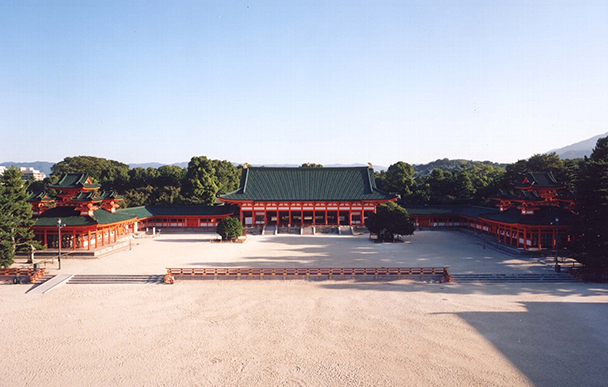
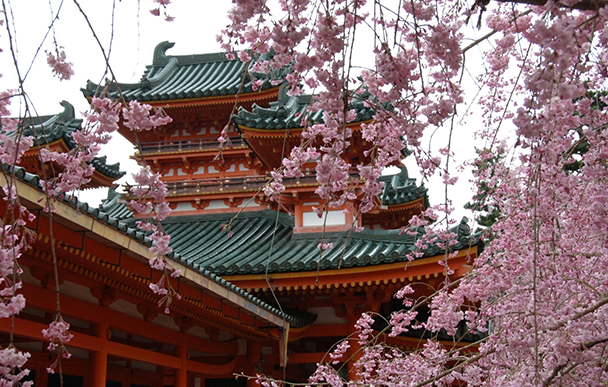
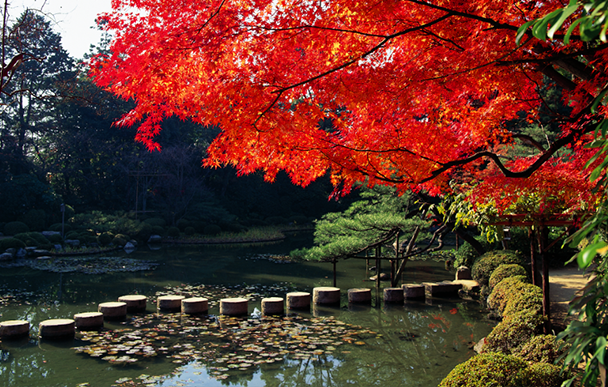
This shrine was built in 1895 to commemorate the 1100th anniversary of the transfer of the capital to Heian. It is a popular spot where you can enjoy the scenery throughout the four seasons.
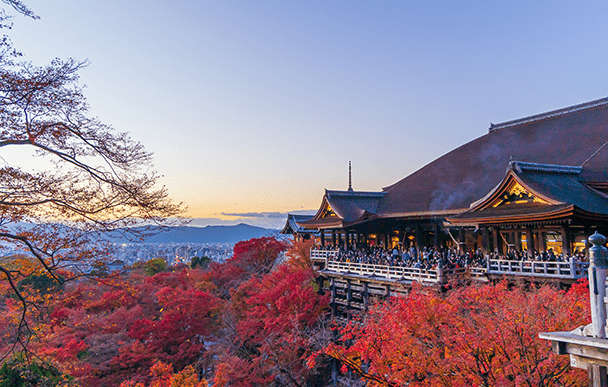
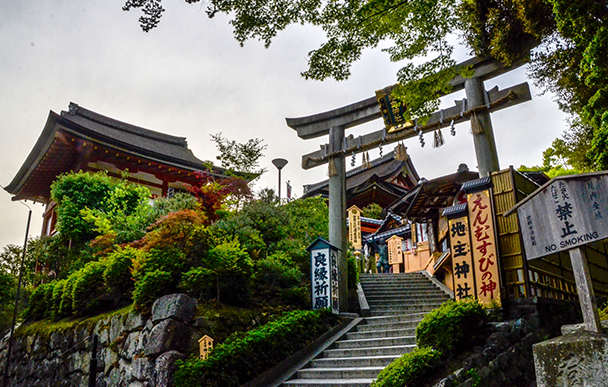
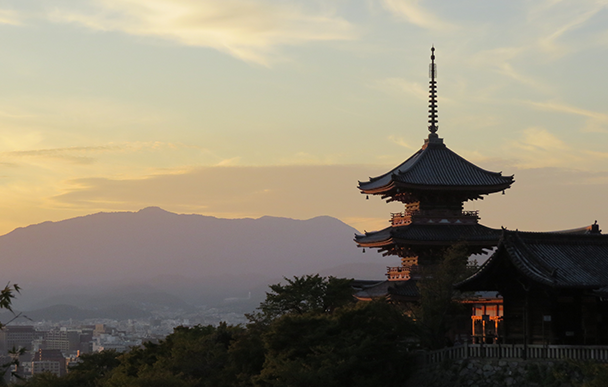
A tourist spot with many famous sights.
Many worshippers visit the shrine regardless of the season. In 1994, it was registered as a World Heritage Site as one of the "Cultural Assets of Ancient Kyoto."
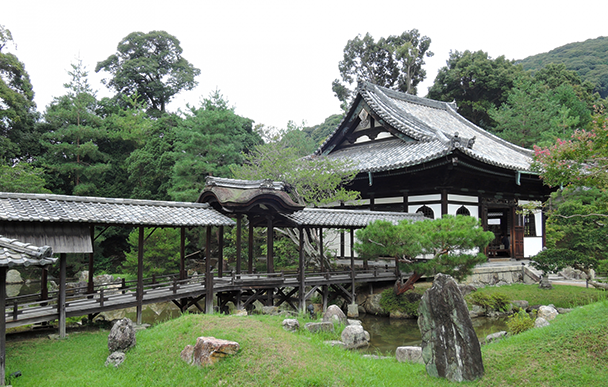
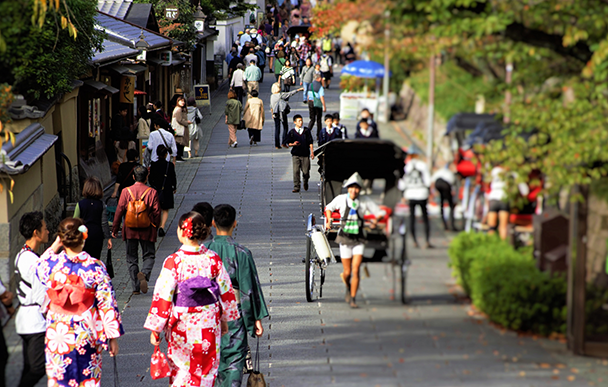
It is known as the temple that was built in 1606 by Nene Kita no Mandokoro to pray for the soul of her husband, Toyotomi Hideyoshi. Highlights include the garden designed by Kobori Enshu and the teahouse, Kasatei, designed by Sen no Rikyu.
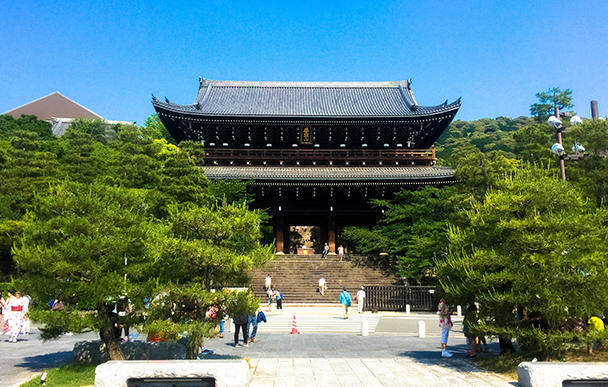
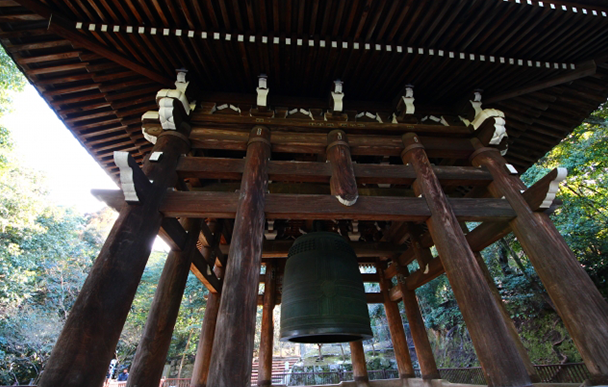
This is the head temple of the Jodo sect of Buddhism, founded by the monk Honen. It is famous for Japan's largest wooden Sanmon gate and the New Year's Eve bell. There are 106 buildings of various sizes within the temple grounds.
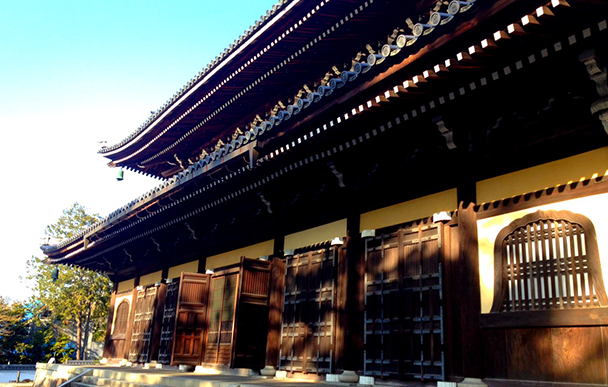
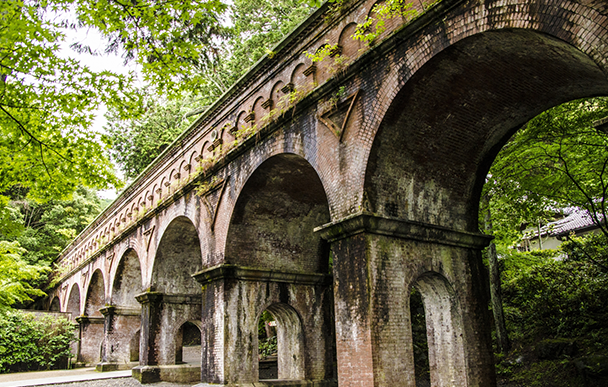
The head temple of the Nanzenji school of the Rinzai sect. Highlights include the Sanmon Gate, the red brick Suirokaku, and the Hojo Garden.
Built by the 8th Shogun, Ashikaga Yoshimasa, it is a symbol of Higashiyama culture, exuding the concept of "wabi-sabi."
Built as a villa by the third Shogun, Ashikaga Yoshimitsu, it is registered as a World Heritage Site. The Golden Pavilion reflected in the Kyokochi Pond is a wonderful tourist spot.
Time Design will guide you through accommodation plans that include Shinkansen.
For inquiries regarding accommodation + Shinkansen, changes to reservations, or cancellations, please contact Time Design Co., Ltd.
Time Design Inc.
TEL. 0570-039866 (Business hours: Monday to Friday 10:00-17:00 *Closed on Saturdays, Sundays and public holidays)